


Pear Toe Ring
Full pavé gold-plated band with a pear-cut stone. Adjustable, bold, made to be noticed.
Save $20 on 3+ items — auto-applied at checkout.
Couldn't load pickup availability
- Free Shipping over $80
- Crafted With Premium Stainless Steel
- 30 Day Free Returns
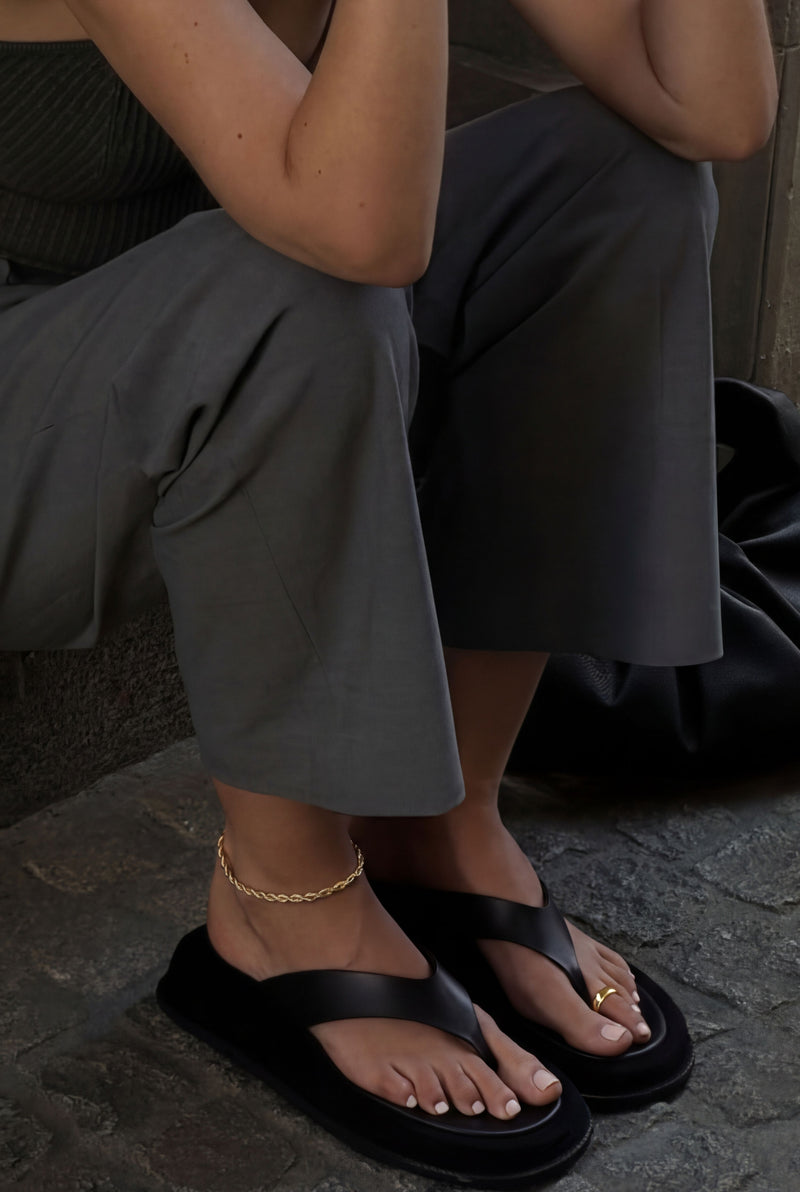
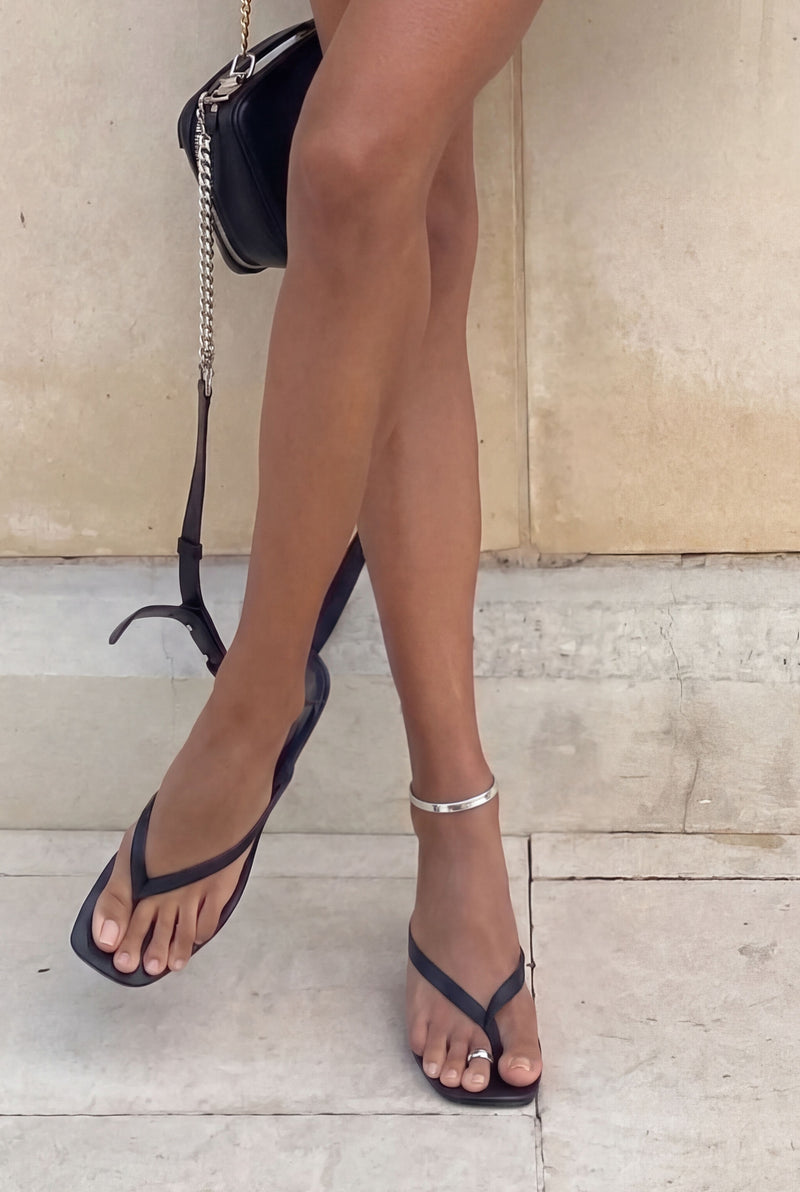
SEE IT STYLED


Materials
Material
Premium gold-plated alloy. High-polish finish.
Care
Shower in it, swim in it, live in it. Just rinse off salt water or chlorine and pat it dry afterwards. Buff gently with a soft, dry cloth to restore shine.
Treat it well, and it will stay with you.
Product details
Named for its centrepiece. The Pear is a full pavé band crowned with a single pear-cut centerstone — the boldest toe ring in the collection, built to be the detail that gets noticed before anything else on the foot. Pavé runs the length of the band so the whole piece catches the light, not just the stone at its centre.
- Open, adjustable band
- Diameter: 17 mm (adjustable) / 0.67"
Shipping and returns
SHIPPING
Free shipping on orders of $80 or more. In-stock items ship within 1 business day and arrive in 4–10 business days. Pre-order items ship on the date shown on the product page. Tracking provided for all orders. More in our Shipping Policy.
RETURNS
30-day free returns on unworn items in original packaging. Trying a piece on to check the fit is fine. Returns are always free to the United States, United Kingdom, Canada, Australia and New Zealand. More in our Return and Refund Policy.
Notify me


